Similar Posts
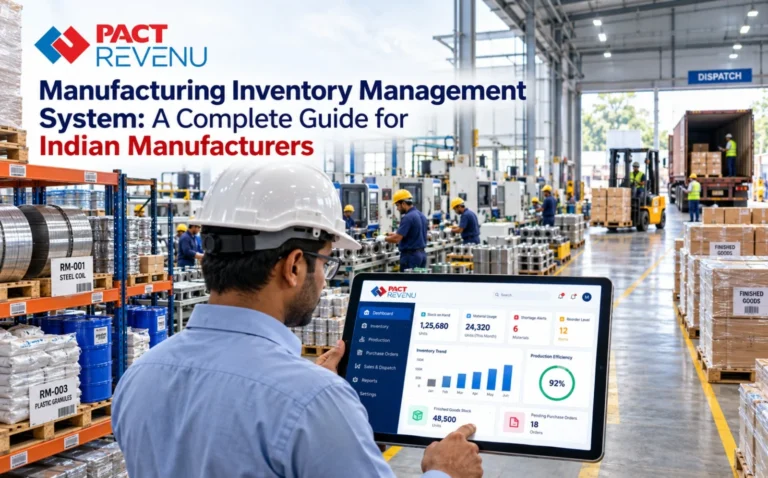
Manufacturing Inventory Management System: A Complete Guide for Indian Manufacturers
India’s manufacturing sector is growing across industries such as automotive, textiles, electronics, pharmaceuticals, food processing, and industrial machinery. As production demand increases, manufacturers must manage raw materials, work-in-progress items, finished goods, and warehouse stock more efficiently. Even a small inventory mistake can lead to production delays, excess purchasing, higher storage costs, or missed customer deliveries….
The Complete Guide to HR & Payroll Software
HR and payroll software are designed to automate and streamline various human resource management and payroll functions. Implementing such systems can enhance efficiency, ensure compliance with labor laws and tax regulations, provide employee self-service portals, and centralize employee data. When selecting HR and payroll software, it’s important to consider factors such as scalability, customization, and integration capabilities to ensure the system aligns with your organization’s needs.
How does an ERP System Improve Business Efficiency and Performance?
Enterprise Resource Planning (ERP) systems play a crucial role in improving business efficiency by integrating various departments—such as finance, HR, supply chain, and inventory—into a single unified platform. By automating routine tasks, offering real-time data insights, and enhancing collaboration across departments, ERP solutions streamline operations, reduce manual errors, and support better decision-making. As a scalable and flexible tool, ERP software adapts to evolving business needs, making it a powerful asset for organizations aiming for growth and operational excellence.
How to Deploy ERP Software?
Deploying an Enterprise Resource Planning (ERP) system is a complex process that requires meticulous planning and execution. Key steps for successful deployment include defining clear objectives and scope, assembling a cross-functional implementation team, selecting the appropriate ERP system and vendor, conducting a detailed process review, and developing a comprehensive implementation plan. Prioritizing change management and providing thorough training are also crucial to facilitate user adoption and ensure a smooth transition. By following these steps, organizations can enhance operational efficiency and achieve successful ERP implementation.
The Ultimate Guide to Industries Specific ERP
ERP software streamlines operations across industries in India, enhancing efficiency and decision-making. With customizable solutions, PACT helps businesses manage inventory, finances, and customer relationships—contact us for a free consultation.
Harnessing the Power of ERP for Unparalleled Visibility
ERP solutions revolutionize supply chain management by providing real-time visibility, optimizing inventory, and enhancing operational efficiency. With seamless integration and data-driven insights, businesses can streamline processes, improve decision-making, and gain a competitive edge.