Similar Posts
The Modern COO: Mastering Agility in a Disrupted Landscape
Real estate software is designed to streamline property management tasks, including leasing, sales, brokerage, rentals, and maintenance management. Implementing such software can enhance efficiency by automating processes, reducing manual errors, and providing centralized data access. When selecting real estate software, it’s important to consider factors such as scalability, customization options, and integration capabilities to ensure the system aligns with your organization’s needs.
The Complete Guide to HR & Payroll Software
HR and payroll software are designed to automate and streamline various human resource management and payroll functions. Implementing such systems can enhance efficiency, ensure compliance with labor laws and tax regulations, provide employee self-service portals, and centralize employee data. When selecting HR and payroll software, it’s important to consider factors such as scalability, customization, and integration capabilities to ensure the system aligns with your organization’s needs.
The 8 key factors to consider when choosing an ERP software
In today’s rapidly changing business environment, Chief Operating Officers (COOs) must embrace agility to navigate disruptions effectively. Implementing a robust Enterprise Resource Planning (ERP) system can integrate operations, enhance real-time decision-making, and foster adaptability, enabling COOs to lead their organizations through uncertainty with confidence.
The Ultimate Guide to Different Types of ERP
Choosing the right ERP system can make or break a business’s efficiency and growth. This guide breaks down the key differences between cloud-based and on-premise ERP solutions—covering costs, flexibility, security, and scalability—so you can decide what fits your organization best. Whether you’re a growing SME or a large enterprise with complex needs, the insights here will help you navigate the ERP landscape with confidence.
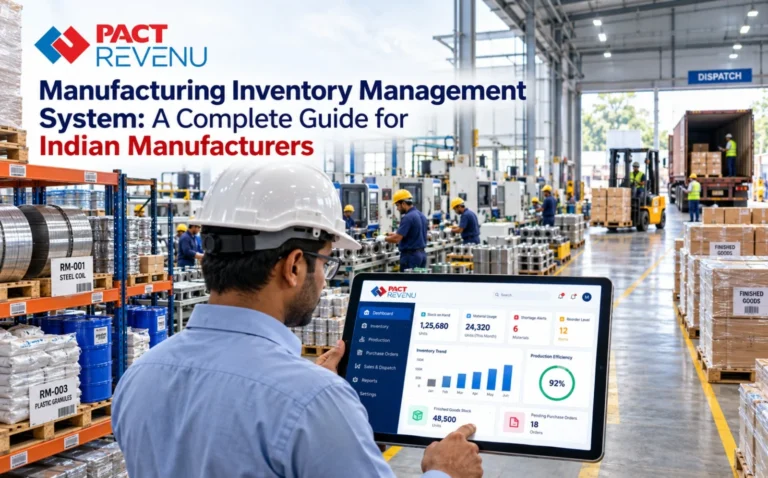
Manufacturing Inventory Management System: A Complete Guide for Indian Manufacturers
India’s manufacturing sector is growing across industries such as automotive, textiles, electronics, pharmaceuticals, food processing, and industrial machinery. As production demand increases, manufacturers must manage raw materials, work-in-progress items, finished goods, and warehouse stock more efficiently. Even a small inventory mistake can lead to production delays, excess purchasing, higher storage costs, or missed customer deliveries….
Understanding the Hidden Cost of ERP Implementation
In today’s rapidly changing business environment, Chief Operating Officers (COOs) must embrace agility to navigate disruptions effectively. Implementing a robust Enterprise Resource Planning (ERP) system can integrate operations, enhance real-time decision-making, and foster adaptability, enabling COOs to lead their organizations through uncertainty with confidence.